


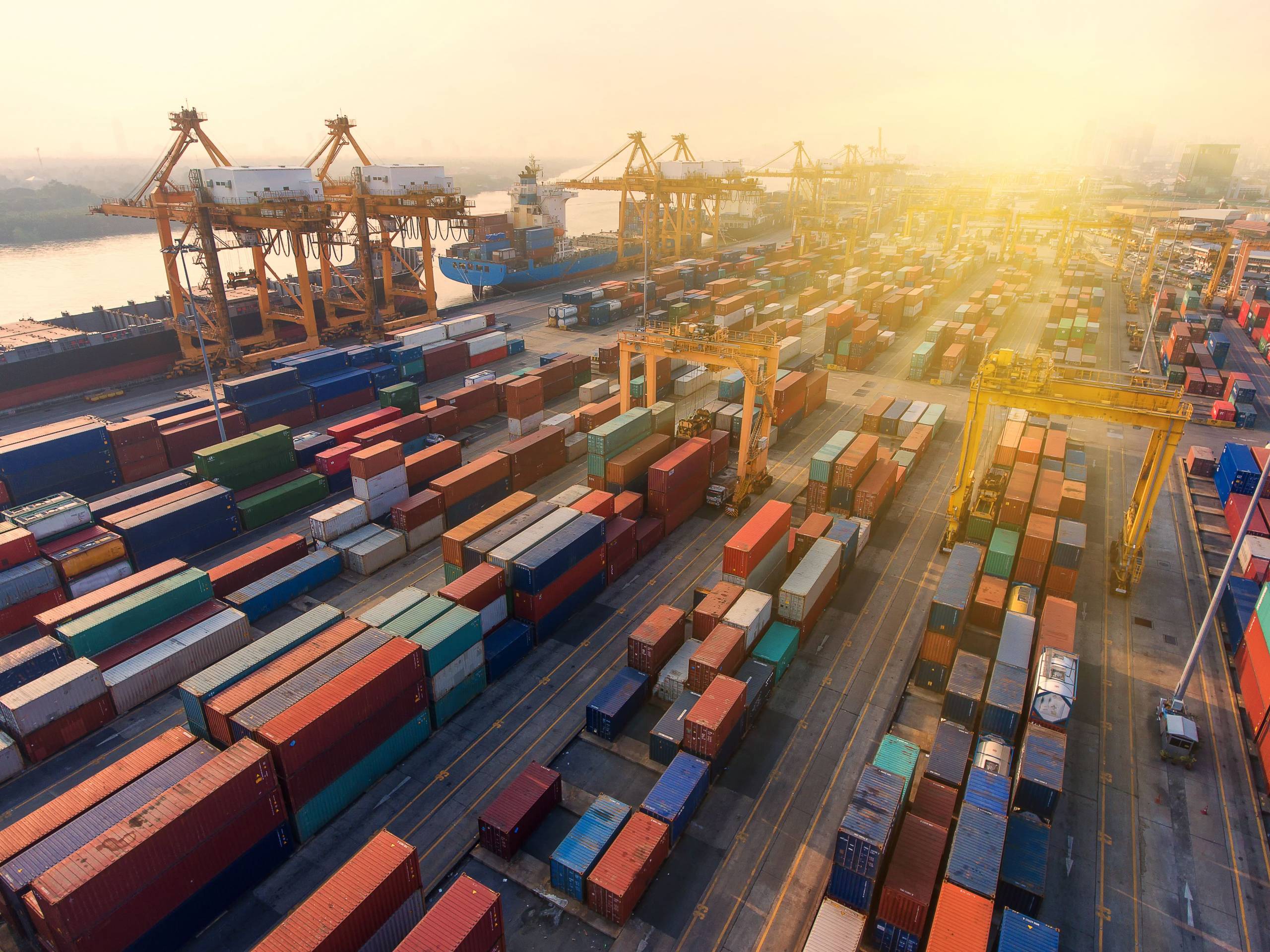
Regulations and licensing, customs procedures, shipping logistics and other legal compliances – these are some important considerations to keep in mind for all the import and export transaction in Malaysia.
What do you need?
Import:
- . Commercial Invoice: It includes all the details of the goods being imported; product description, quantity, value, terms of sales, vendor name and business address.
- Bill of Lading: It is usually issued by the carrier or shipping company that provides proof of shipment and ownership of the goods. It is essential for you (the buyer – importer) to take possession of your goods and clear them through customs.
- Packing List: It includes details and contents of each package being shipped, including the weight and dimensions.
- . Import License: Depending on the type of goods being imported, some may require import license from relevant Malaysia government agencies. Particularly for food products, Malaysian Department of Veterinary Services, the Department of Agriculture and other agencies such as Ministry of Health.
- Certificate of Origin: This document helps to verifies the country of origin of the imported goods and it may be required to qualify for preferential tariff treatment.
Export:
- Commercial Invoice: Similar to import, it includes all the details of the goods being exported; product description, quantity, value, terms of sales, business name and address.
- Bill of Lading: It is usually issued by the carrier or shipping company that provides proof of shipment and ownership of the goods. It is required by the buyer to take possession of his goods and clear them through customs.
- Packing List: It includes details and contents of each package being shipped, including the weight and dimensions.
- Export License: Depending on the type of goods being exported, some may require export license from relevant Malaysia government agencies. Particularly for food products, Malaysian Department of Veterinary Services, the Department of Agriculture and other agencies such as Ministry of Health.
- Certificate of Origin: This document helps to verifies the country of origin of the exported goods and it may be required to qualify for preferential tariff treatment.
- Custom Declaration: It includes detailed description of the goods being exported and their value, together with any applicable taxes or duties.
The whole process may be daunting to you as you may not be familiar with Malaysia’s rules and regulations. Don’t worry, we are here to help you on these complicated matters.
DAQ Group has more than 30 years of experience in F&B industry. Our team of experts can help you to manage your products and streamline your logistics solutions throughout Malaysia. We also help to tailor suitable warehousing and logistics solutions depending on your business needs.

